Christmas Easter Egg Clipart Review
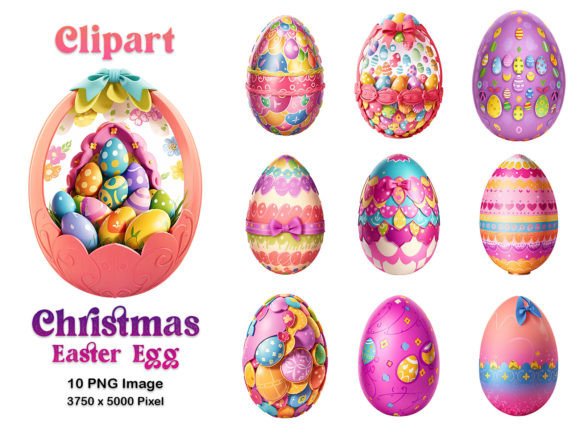
As someone who has spent years turning digital files into tangible, stitched treasures, I approach every new asset with a mix of excitement and skepticism. When I first encountered the Christmas Easter Egg Clipart, my immediate reaction was one of visual intrigue. It is categorized under Illustrations, but in the world of machine embroidery, what matters most isn't the category—it's how that illustration translates from a screen to fabric. This design sits at a fascinating intersection of two major holidays, creating a unique mood that feels both whimsical and slightly unexpected.
The first impression is undeniably cheerful. The shape suggests a classic egg form, yet the thematic elements hint at a seasonal blend that could work for spring markets or even a very specific niche of year-round decor. For an embroidery designer, the layout is clean, which usually signals good potential for stitching. However, before I commit this to a client project or list it on Etsy, I need to understand how it behaves under the needle. Does it hold up when stitched? Will it look like a cheap sticker or a high-quality handmade piece?
Real-World Application: From Screen to Stitch
Let's talk about a real scenario. Imagine you are preparing inventory for a boutique shop that specializes in personalized gifts. You have a customer request for a custom embroidered tote bag featuring a festive motif. They want something unique, perhaps a blend of themes for a "spring cleaning" sale or a creative gift for a family that celebrates multiple traditions. This is where Christmas Easter Egg Clipart could shine.
I envision taking this file and testing it on a sturdy canvas tote. The design needs to be robust enough to handle the friction of the hoop and the tension of the thread. If the illustration relies too heavily on tiny, intricate details, those areas might get lost in the weave of the fabric. In my experience, designs intended for tote bag design projects benefit from bold lines and clear shapes. If this clipart features fine lines meant for a printer, they might disappear or pucker when converted into a machine embroidery design.
Consider also the application on a sweatshirt. A sweatshirt embroidery project often involves heavier fabrics, which can hide minor imperfections better than thin cotton. If you are aiming for a custom apparel look, the density of the stitches becomes critical. Does the design use a lot of fill stitch to create solid color blocks? Or does it rely on running stitch for outlines? A heavy fill stitch can make the fabric stiff, which might not be ideal for a soft hoodie, whereas a lighter touch preserves the drape of the material.
Navigating Fabric Challenges and Limitations
Not every surface is created equal, and knowing where to place your design is half the battle. While this embroidery file might look perfect on a flat mockup, real life is rarely that simple. I would advise caution when considering textured fabrics. A chunky knit or a rough burlap might catch the thread unevenly, distorting the clean lines of the egg shape. Similarly, stretchy fabrics like jersey require extra care; without proper stabilizer, the design could warp as the fabric moves.
Dark fabrics present another hurdle. If the original illustration uses light pastel colors, stitching them onto a black or navy background will require a significant amount of underlay or white backing, which adds bulk. Conversely, if the design is intended for dark threads on a light background, the contrast will be striking. However, if you are planning to use this for commercial embroidery on a variety of garments, you must ensure the color palette is versatile enough to pop on different bases.
Small hoop sizes are particularly tricky. If the Christmas Easter Egg Clipart includes delicate details in the corners, a small 4x4 hoop might force you to crop the design or reduce the stitch count, potentially losing the artistic intent. Curved surfaces like caps add another layer of complexity. Embroidering a flat design onto a curved brim often requires specific digitizing techniques to prevent puckering. If this is a digital embroidery file meant for general use, verify whether it accounts for curvature or if it is best suited for flat items like aprons, pillow covers, or kitchen towels.
Visual Appeal and Product Value
The ultimate goal of any handmade product is to convey quality. Customers pay a premium for items that look professional and thoughtfully crafted. How this design stitches directly impacts that perception. A well-executed embroidery project builds trust; a poorly executed one raises red flags. If the stitch density is too low, the design will look sparse and unfinished. If it is too high, the fabric will bunch up, making the item uncomfortable and unappealing.
For an Etsy seller or a small shop product owner, the presentation is everything. Using a printable mockup to showcase the design helps buyers visualize the final result, but nothing beats seeing the actual texture. When customers see a crisp, well-defined egg design on a baby onesie or a holiday gift, they perceive value. The design acts as a focal point that elevates a basic item into a keepsake. It transforms a simple personalized gift into something that feels bespoke and special.
However, there are areas where this design should be used carefully. Tiny lettering or extremely detailed corners are often the first things to fail during washing. If the design includes text, ensure it is legible after stitching. Decorative accents that are too fine might snag on other items in the wash. For products that need frequent laundering, like apron or kitchen towel designs, durability is paramount. The thread choice and the stability of the stitches matter immensely here.
Practical Notes for the Designer
Before you rush to produce a batch of these items, take a moment to run through a checklist. First, test the design on scrap fabric. This is non-negotiable. You need to see how the thread colors interact with the specific fabric you plan to use. Check the stabilizer type; some designs require cut-away stabilizers for permanent support, while others work fine with tear-away.
Review the stitch density closely. Are there areas where the satin stitch might overlap awkwardly? Is the fill stitch too dense for the fabric weight? Inspect the small details to ensure they won't collapse under the pressure of the needle. It is also wise to test the design in black and white mockups to check the silhouette and balance without the distraction of color.
Confirm the licensing terms before selling finished items. Even though this is an Illustration product, commercial rights vary. Ensure you have permission to sell finished products made from this design. Also, double-check the file format compatibility with your machine. While many modern machines accept standard formats, older models might struggle with complex paths.
In conclusion, the Christmas Easter Egg Clipart offers a fresh, creative angle for designers looking to expand their offerings. Whether you are creating holiday embroidery collections, baby embroidery sets, or unique embroidered patches, this design has the potential to stand out. But remember, the success of the final product depends on your execution. Take the time to test, adjust, and refine. By treating the digital file as a blueprint rather than a finished product, you ensure that every item leaving your studio reflects the highest standards of craftsmanship. This thoughtful approach is what separates a hobbyist from a professional creative entrepreneur.