Christmas Sock Vintage Cartoon Review
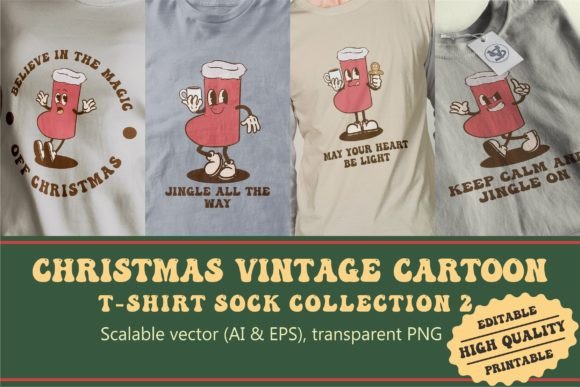
When I first opened the Christmas Sock Vintage Cartoon file, my immediate reaction wasn't about stitch counts or file formats. It was about the mood. There is a specific nostalgia that hits you when you see this illustration—a warm, cozy feeling that reminds us of childhood holidays and old-fashioned holiday cards. As an experienced designer who has stitched hundreds of designs for clients and my own small business, I know that the difference between a generic holiday item and a best-seller often comes down to this kind of visual personality. This design isn't just a graphic; it feels like a story waiting to be told on fabric.
The First Impression: A Design with Character
The layout of the Christmas Sock Vintage Cartoon strikes a balance between playful and classic. In the world of embroidery, where space is limited and detail can get lost in thread, this illustration manages to hold its own. The vintage aesthetic suggests a soft, slightly distressed look that translates beautifully into satin stitches and fill stitches. Unlike modern, hyper-digital vector art that can sometimes feel cold under the needle, this piece has a hand-drawn quality that invites texture.
For designers looking to create something unique, the strength here lies in its simplicity. It doesn't rely on complex gradients or tiny, unreadable text. Instead, it uses bold shapes and clear lines that promise clarity once stitched. When you imagine this design on a finished product, it immediately evokes feelings of comfort and tradition. It is the kind of image that makes a customer pause and think, "I need this for my home," rather than just scrolling past it as another seasonal decoration.
Real-World Application: From Screen to Stitch
I recently put this design through a practical test scenario to see how it would perform in a real commercial setting. My goal was to create a line of custom holiday gifts for a boutique client. We decided to start with a canvas tote bag and a set of kitchen towels. The Christmas Sock Vintage Cartoon proved to be an excellent candidate for these items.
On the canvas tote, the design sat perfectly centered. The sturdy fabric held up well against the density required for the sock's outline, and the vintage style complemented the natural color of the canvas without needing heavy backing. However, the real magic happened on the kitchen towels. The soft cotton weave allowed the threads to settle naturally, giving the design a tactile, inviting look that matched the intended cozy vibe. Customers browsing a craft fair booth are often drawn to items that look handmade and thoughtful. This design delivers exactly that impression.
Beyond bags and towels, I envision this illustration thriving on sweatshirts and baby onesies. For apparel, the vintage cartoon style adds a touch of whimsy that works well for parents wanting something less generic than standard snowflakes. On baby items, the soft colors (if chosen correctly) and the friendly subject matter create a perfect gift for a holiday shower. Even as an embroidered patch, this design could stand out on denim jackets or backpacks, offering a retro flair that appeals to younger demographics looking for unique accessories.
Where to Exercise Caution
While the design is versatile, no single embroidery file is a one-size-fits-all solution. There are specific scenarios where the Christmas Sock Vintage Cartoon might require careful handling or even a redesign to ensure success. One of the primary concerns is the scale of the design relative to the product. If you attempt to stitch this onto a very small hoop size, such as a 4x4 inch area on a baseball cap or a small chest pocket, the details may become muddy. Satin stitches on curved surfaces like caps can distort if the design is too dense or if the underlying fabric stretches.
Texture is another critical factor. Embroidery thrives on smooth surfaces like twill, poplin, or felt. If you try to apply this design to heavily textured fabrics like chunky knits or bouclé, the stitches will not lay flat, and the fine details of the vintage illustration could be lost entirely. Similarly, thin or stretchy fabrics like jersey knit require significant stabilization to prevent puckering. Without the right stabilizer, the tension of the machine could warp the fabric around the sock shape, ruining the clean lines of the illustration.
Dense stitch areas within the design also warrant attention. If the original artwork includes intricate shading or tiny lettering, converting that to embroidery requires simplification. On dark fabrics, using light-colored threads without proper underlay can result in a design that looks washed out or grayish. It is essential to review the thread color contrast before committing to a large production run. For products that need frequent washing, such as aprons or workwear, the durability of the stitching must be tested to ensure the design does not snag or fade quickly.
Visual Appeal and Product Value
In the competitive market of Etsy sellers and handmade shops, visual appeal is everything. The Christmas Sock Vintage Cartoon elevates the perceived value of a finished product. When a customer sees a high-quality, professionally stitched design, they associate that quality with the brand behind it. This design helps build trust because it looks intentional and polished. It moves beyond a simple logo to become a decorative element that enhances the entire piece.
For commercial embroidery projects, consistency is key. Using a cohesive style across different products—like matching a pillow cover with a tote bag and a wall hanging—creates a strong brand identity. This illustration fits seamlessly into a broader collection of holiday assets. It allows creators to offer personalized gifts that feel bespoke. Whether it is adding a name to the cuff of the sock or incorporating it into a larger scene, the design provides a solid foundation for customization.
Furthermore, the nostalgic theme ensures longevity. While trends come and go, vintage aesthetics remain popular year after year. This means a product featuring the Christmas Sock Vintage Cartoon is likely to have a longer shelf life than a design tied to a fleeting pop culture moment. It appeals to buyers who appreciate craftsmanship and timeless style, making it a smart investment for creative entrepreneurs looking to build a sustainable business.
Practical Designer Notes for Success
Before you jump into production, there are several technical steps every professional should take. First and foremost, always test the design on scrap fabric. This allows you to check the stitch density and see how the threads interact with your specific material. Do not assume that a design that looks good on screen will stitch perfectly. Adjust the thread colors to ensure high contrast, especially if you plan to use this on varied backgrounds.
Review the hoop size requirements carefully. If the design is large, you may need to split it or choose a larger hoop to accommodate the full artwork without compromising the edges. Inspect small details closely; if any elements are too fine for the resolution of your machine, consider simplifying them or removing them entirely to maintain clarity. Testing the design in black and white mockups can also help you visualize the final look without the distraction of color.
Finally, confirm the licensing terms. If you intend to sell finished products or digital previews, you must understand the rights associated with the machine embroidery design. Some files are for personal use only, while others allow for commercial sales of physical goods. Always verify these terms to avoid legal issues. By following these guidelines, you can ensure that your use of the Christmas Sock Vintage Cartoon results in a professional, high-quality finished product that delights your customers and strengthens your brand.