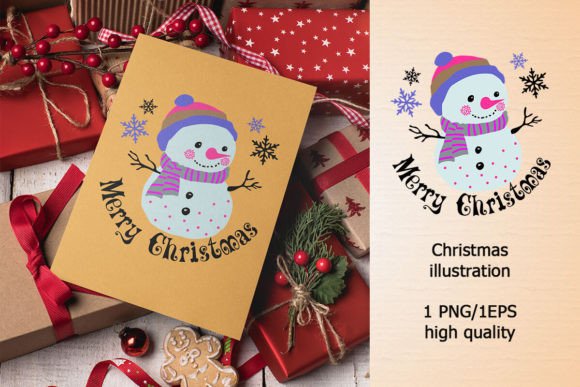
Festive Stockings Christmas Card Review
As someone who has spent years reviewing machine embroidery design files and testing them on everything from delicate silk to heavy canvas, I know that the difference between a good project and a great one often comes down to the initial visual impact. When I first opened the file for Festive Stockings Christmas Card, my immediate reaction was one of warmth. It is not just a graphic; it feels like a prompt for a story. The layout suggests a cozy holiday gathering, making it an ideal candidate for seasonal collections where emotional connection drives sales.
This embroidery file falls squarely into the Illustrations category, which means its success relies heavily on how well the digital art translates into physical thread. Unlike complex photographic designs that can get muddy when stitched, this piece seems built on clean lines and distinct shapes. For small business owners and Etsy sellers, this distinction is crucial because clarity in stitching equals perceived value. If the customer sees fuzzy edges or lost details, they question the quality of the entire handmade item.
Real-World Application: From Digital File to Finished Product
To truly evaluate Festive Stockings Christmas Card, we have to move beyond the screen and imagine it on fabric. Let's picture a scenario: You are preparing inventory for the upcoming holiday rush. You decide to create a line of custom embroidered tote bags featuring this specific design. The goal is to offer a practical yet festive gift that stands out on a crowded craft fair table.
In this context, the design's composition becomes your best friend. The central motif of the stocking allows for a balanced placement on a canvas tote. However, the real test lies in the execution. Does the design handle the natural texture of cotton canvas? Will the satin stitch areas hold up against the friction of carrying groceries? My experience suggests that designs with this level of detail require careful attention to stabilizer selection. Without a firm backing, the fill stitch sections might pucker, ruining the crisp look of the card element.
I also envision this design transforming a plain sweatshirt into a boutique-quality holiday gift. The embroidered patch aesthetic works exceptionally well here. Imagine a customer receiving a soft fleece pullover with Festive Stockings Christmas Card stitched prominently on the chest. The contrast between the textured threads and the smooth fabric creates a tactile appeal that print-on-demand services simply cannot match. This adds a layer of professionalism and trust that is essential for commercial embroidery projects targeting high-end buyers.
Navigating Fabric Challenges and Limitations
While the design is versatile, no single digital embroidery file is perfect for every surface. There are specific scenarios where you must exercise caution. For instance, if you plan to use this on a curved surface like a baseball cap, the geometry of the design might need adjustment. A flat layout does not always translate seamlessly to the dome shape of a hat without distortion. In such cases, the hoop size and the curvature of the garment can stretch the running stitch details, making them appear uneven.
Similarly, thin fabrics like light linen or sheer curtains present a risk. If the stitch density is too high, the needle penetration could weaken the material, leading to tears over time. Dark fabrics are another consideration. While dark backgrounds can make bright thread colors pop, you must ensure there is enough contrast in the design itself. If the design relies on subtle shading rather than bold outlines, it may disappear against a navy or black background unless you use a high-density underlay or a contrasting thread color.
For baby clothes, comfort is paramount. A design with dense, stiff areas might irritate a baby's skin. Here, the Festive Stockings Christmas Card needs to be evaluated for softness. If the design includes large blocks of fill stitch, it might feel too rigid for a onesie. In these instances, reducing the density or simplifying the design through digitizing adjustments might be necessary to maintain the integrity of the handmade product.
Visual Appeal and Brand Consistency
The ultimate goal of any craft business is to build a recognizable brand identity. Festive Stockings Christmas Card offers a strong opportunity for brand consistency. Its festive theme is universally understood, allowing customers to instantly recognize the seasonal nature of your shop. When used across various items—like kitchen towels, pillow covers, and holiday gifts—it creates a cohesive collection that encourages multiple purchases.
The visual personality of the design also plays a role in buyer engagement. A design that feels "festive" evokes positive emotions, which translates to higher conversion rates on Etsy listings and social media. When you include printable mockups of this design on finished products, the image should convey the joy of the season. Customers want to see themselves wearing or using the item, and a clear, well-stitched representation helps them visualize that moment.
However, visual appeal is only half the battle. Stitching clarity determines whether the design looks professional or amateurish. If the thread colors chosen do not complement the design's palette, the result can look muddy. I recommend testing the design in black and white mockups first to ensure the shapes remain distinct even without color. This step ensures that the finished product will maintain its structure regardless of the thread choice.
Practical Designer Notes for Success
Before committing to a full production run, there are several critical steps every creative entrepreneur should take. First and foremost, always test the design on scrap fabric that matches your final material. This reveals issues with puckering, tension, and stabilizer performance before you waste expensive inventory. Check the thread color contrast carefully; what looks good on a monitor might wash out in person.
Review the stitch density closely. High-density areas are prone to thread breaks and needle damage if the machine settings are not optimized. Confirm that your hoop size accommodates the design dimensions without cutting off important details. Inspect small corners and intricate parts of the illustration to ensure they are not lost in translation. If the design includes tiny lettering or fine lines, verify that they are legible after stitching.
Furthermore, consider the end-use of the item. Products that require frequent washing, like aprons or kitchen towels, need durable stitching. Ensure the design uses appropriate applique design techniques or sufficient satin stitch coverage to withstand the wear and tear of daily life. Finally, check the licensing terms thoroughly. Even if the design is labeled as commercial, confirm whether you can sell the finished items or if there are restrictions on the number of units produced.
In conclusion, Festive Stockings Christmas Card is a promising asset for anyone looking to elevate their embroidery project offerings. It balances festive charm with practical application, provided you approach it with the right technical preparation. By understanding its strengths and limitations, you can transform a simple embroidery file into a standout small shop product that delights customers and strengthens your brand reputation.