Red and Green Christmas Bells with Holly Review
As a designer who spends countless hours testing machine embroidery designs before putting them on the market, I have learned to look past the pretty preview image. The real test happens when the needle hits the fabric. Recently, I had the opportunity to evaluate the Red and Green Christmas Bells with Holly for a specific commercial project: a line of holiday-themed tote bags and aprons for a local boutique. This isn't just another generic festive motif; it is an Illustrations category piece that demands careful consideration regarding its layout, color palette, and stitch density.
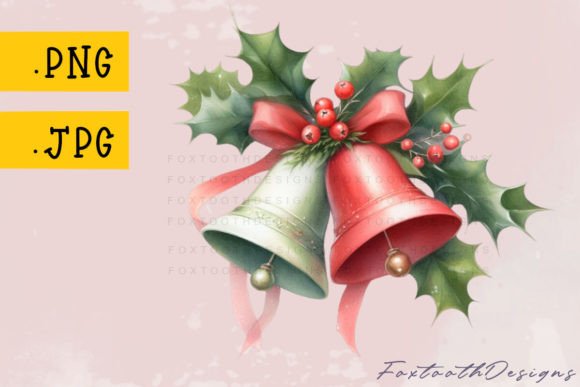
My initial reaction to the Red and Green Christmas Bells with Holly file was one of classic charm. It captures the nostalgic spirit of the season without feeling cluttered or overly modern. When I first laid out the digital mockup, the composition felt balanced. The bells provide a central anchor, while the holly leaves add organic movement around the edges. For a small business owner looking to create a cohesive brand identity, this design offers a strong visual personality that screams "handmade" yet remains professional enough for high-end retail.
Real-World Application on Tote Bags and Aprons
The scenario I set up for this review involved stitching the design onto heavy canvas tote bags and white cotton kitchen aprons. These are staple items for any crafter or Etsy seller during the holiday rush. The Red and Green Christmas Bells with Holly performed exceptionally well in this context. Because the design relies heavily on bold shapes rather than microscopic details, it translated beautifully from the screen to the fabric.
On the canvas tote bag, the contrast between the vibrant red threads and the deep green holly against the neutral background was striking. The satin stitch used for the bell outlines gave the product a premium sheen that caught the light in the store window, increasing perceived value. Similarly, on the kitchen apron, the design sat perfectly centered on the bib area. It felt like a natural fit for a personalized gift or a boutique product meant to be sold at a craft fair.
However, the decision to use this as a tote bag design required me to think about the finished product's longevity. Embroidery on canvas can sometimes distort if the stabilizer isn't chosen correctly. The fill stitches in the holly leaves were dense enough to hold their shape but not so thick that they made the fabric stiff. This balance is crucial for items that will be washed frequently or handled roughly by customers.
Performance on Soft Goods and Baby Items
Beyond hard goods like bags, I tested how the Red and Green Christmas Bells with Holly would behave on softer surfaces like sweatshirts and baby clothes. This is where many embroidery files struggle. The design has a moderate footprint, which makes it versatile. On a crewneck sweatshirt, the placement looks traditional and cozy. The bells don't look lost, nor do they overwhelm the garment.
For baby embroidery, such as on a onesie or a nursery pillow cover, the design is particularly effective. Parents often look for items that are festive but not chaotic. The clean lines of the bells and the recognizable shape of the holly make it instantly identifiable. If you are an apparel decorator targeting the holiday market, this design could easily become a bestseller because it appeals to a wide demographic. It works equally well as a holiday embroidery accent on a hat or as a standalone feature on a blanket.
I also considered its potential as an embroidered patch. The defined edges and lack of excessive background clutter mean that backing it with adhesive or sewing it onto denim jackets would result in a crisp finish. The colors are distinct enough that even with lower thread counts, the image remains clear.
Where to Exercise Caution
While this design is robust, no single digital embroidery file is perfect for every situation. There are specific scenarios where the Red and Green Christmas Bells with Holly might require adjustments or should be avoided entirely. One of the primary concerns is the hoop size. If you attempt to stitch this on a very small hoop, the detail in the holly leaves might get lost or appear muddy due to the limited space.
Textured fabrics present another challenge. While the design holds up well on canvas and smooth cotton, applying it to a highly textured fleece or a loose-weave linen could cause the running stitches to snag or the fill stitches to skip. Thin or stretchy fabrics also demand extra attention. Without a proper stabilizer, the tension of the satin stitch on the bells could pucker the material, ruining the aesthetic of the final product.
Dark fabrics are another consideration. The design relies on the contrast between the red/green threads and the background. If you plan to use this on a navy or black shirt, the vibrancy of the colors might be diminished unless you choose high-quality, opaque threads. Additionally, for products that need frequent washing, such as daily-use aprons, ensure that the stitch density is sufficient to prevent fraying over time. If the design includes tiny lettering or extremely fine corners, those areas should be inspected closely after the first test run.
Visual Appeal and Brand Consistency
From a marketing perspective, the Red and Green Christmas Bells with Holly is a strong asset. In the world of Etsy sellers and small shop products, visual consistency builds trust. A buyer scrolling through listings wants to see that the finished item matches the photo. This design delivers on that promise. The colors are traditional, evoking a sense of warmth and tradition that resonates with holiday shoppers.
When creating printable mockups or design assets for your online store, this file allows for clear, sharp images that highlight the texture of the thread. It elevates the presentation of a finished product, making it look like a labor of love rather than a mass-produced item. This distinction is vital for creative entrepreneurs who rely on the story behind their handmade goods to drive sales.
Practical Designer Notes for Implementation
Before you commit to a full production run, there are several steps every experienced designer takes. First and foremost, always test the design on scrap fabric. You need to verify how the thread colors interact with your specific fabric choice. Does the red bleed? Is the green too dark against the material? Checking these variables prevents costly mistakes.
Review the stitch density carefully. If the fill stitch areas are too dense, the fabric may become rigid, which is undesirable for clothing but acceptable for home decor like pillows. Confirm your hoop size requirements before starting. If the design exceeds your machine's capabilities, you may need to split the file or adjust the scale.
Inspect small details under good lighting. Sometimes, what looks fine on a monitor reveals jagged edges or skipped stitches when stitched out. Use a black and white mockup to check the contrast and readability of the design elements. Compare how it looks on both light and dark backgrounds to ensure versatility.
Finally, pay close attention to licensing. Before selling commercial embroidery projects or distributing the file as a digital product, confirm the terms of use. Are you allowed to sell finished items? Can you modify the design for custom apparel? Understanding these legalities protects your craft business and ensures you are operating ethically.
In conclusion, the Red and Green Christmas Bells with Holly is a reliable, visually appealing addition to any embroidery collection. Whether you are creating a holiday gift for a neighbor or building a catalog of design assets for your shop, this piece offers a solid foundation for success. By following practical testing protocols and understanding the nuances of fabric and stitch types, you can transform this simple illustration into a cherished, high-quality handmade product.