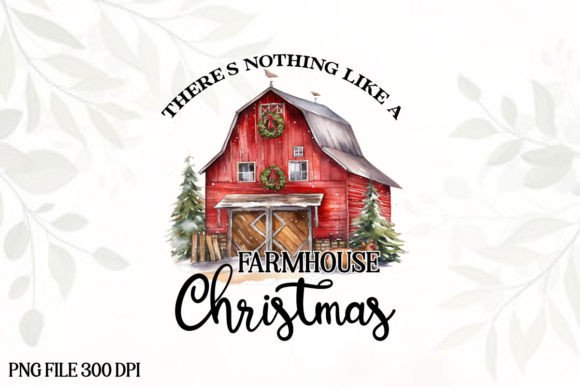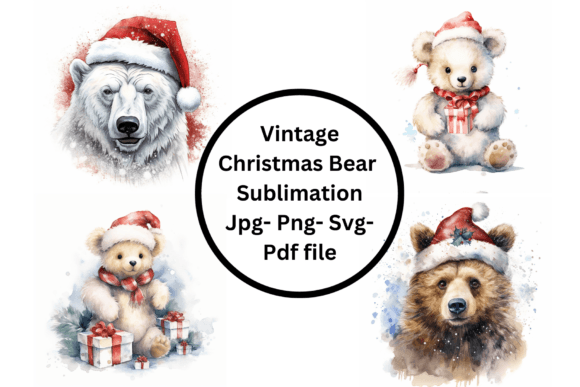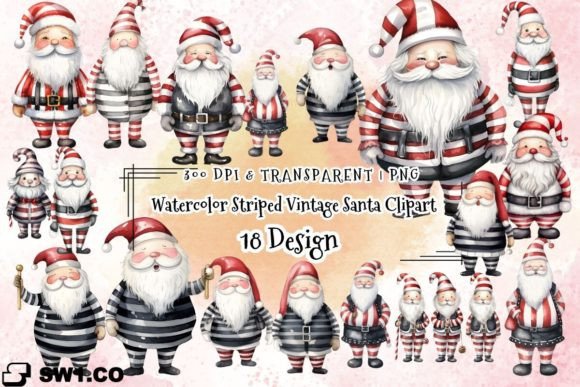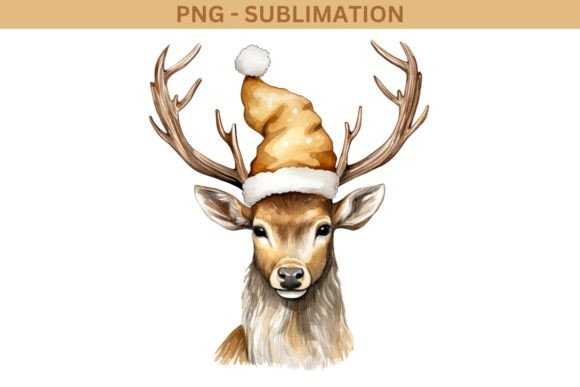
Vintage Christmas Dog Sublimation for Illustrations
I recently received a brief from a boutique pet brand looking to launch a limited holiday collection. They wanted something that felt nostalgic and warm, avoiding the sterile, mass-produced look that plagues so many seasonal campaigns. The client needed commercial design assets that could bridge the gap between traditional craftsmanship and modern digital marketing. That is when I started evaluating potential assets, specifically focusing on a piece titled Vintage Christmas Dog Sublimation.
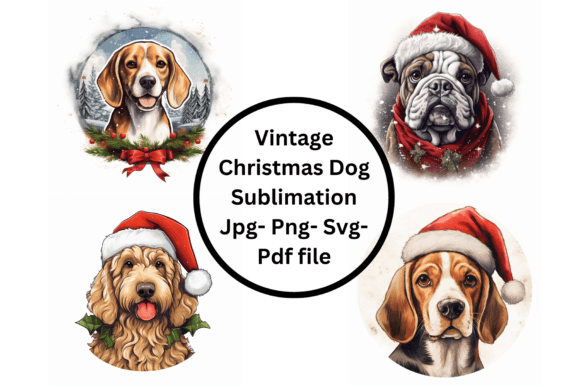
As a designer who frequently navigates the space between branding, packaging, and social media graphics, my first impression of this asset was immediate. It does not feel like generic clipart; it carries a distinct mood. The visual elements suggest a cozy, hand-drawn aesthetic that resonates deeply with the "handmade business" vibe. For a project targeting families, crafters, or small business owners, this illustration offers an emotional hook that standard vector shapes often lack. It feels like a genuine design bundle component rather than a disposable graphic.
Visual Mood and Brand Alignment
The style of Vintage Christmas Dog Sublimation leans heavily into retro charm. When placed on a mockup, it immediately elevates the perceived value of the product. This is crucial for brand identity work where trust and recognition are paramount. The illustration creates a sense of timelessness, which helps in building a narrative around a new product line. Whether we are designing for an Etsy shop or a print-on-demand store, the vintage tone signals authenticity. It tells the customer that care was put into the creation process.
In terms of versatility, this asset fits seamlessly into various categories. It works exceptionally well as a central element for packaging design, adding character to gift boxes or product labels. For marketing visuals on Instagram or Pinterest, it serves as a high-engagement hero graphic. The warmth of the image invites interaction, making it ideal for social media graphics that aim to stop the scroll. Unlike cold, corporate imagery, this illustration fosters a connection with the audience, driving engagement through shared nostalgia and affection for pets during the holidays.
Performance Across Real-World Applications
I have tested this asset across multiple mediums to see how it holds up under professional scrutiny. In logo design contexts, it might be too detailed for a tiny favicon, but it shines as a primary mark for a blog or website header. For t-shirt design and merchandise, the sublimation quality suggests it will render beautifully on dark and light fabrics without losing detail. It is also perfect for sticker design, where the intricate lines add depth even at smaller scales.
When considering Cricut projects or Canva templates, the file structure is vital. If provided as an SVG, the paths should be clean enough for cutting machines, allowing crafters to create custom decals or ornaments. As a PNG design, the transparency allows for easy layering over textured backgrounds, which is essential for creating cohesive printable wall art or editorial layouts. The asset acts as a versatile anchor point in a composition, supporting both bold statements and subtle accents.
This illustration also complements web design elements effectively. It can break up text-heavy sections in a blog post about holiday gift guides or serve as a decorative divider in an email newsletter. For editorial design, the vintage style pairs well with serif fonts, creating a classic magazine look. However, if the goal is a modern design aesthetic, one must be careful not to let the retro elements clash with ultra-minimalist typography.
Strategic Placement and Design Hierarchy
Understanding where to place Vintage Christmas Dog Sublimation is just as important as selecting it. It excels in large layout areas where its details can breathe. Using it as a background texture for a poster or flyer can add significant visual interest without overwhelming the message. In product mockups, it serves as a focal point that draws the eye directly to the item being sold. For themed collections, such as a series of holiday cards or a set of mugs, this asset provides the thematic consistency needed to make the collection feel unified.
However, there are scenarios where this asset requires careful handling. In crowded layouts with complex backgrounds, the detail level of the dog illustration might get lost. If the design relies on strict visual hierarchy, placing this busy element alongside heavy text or other competing graphics can dilute the main message. It is less suitable for minimalist branding projects that demand stark simplicity. Similarly, for professional corporate materials requiring a very clean, serious tone, the whimsical nature of a Christmas dog might undermine the intended authority.
Readability remains a key factor. While the illustration itself is clear, integrating it with text requires attention to contrast. On light backgrounds, ensure the lines of the dog do not blend into the paper or screen. On dark backgrounds, verify that any white highlights within the illustration remain visible. The emotional appeal of the image should enhance the copy, not distract from it. When used correctly, it boosts audience engagement by adding a human (or canine) touch to the communication.
Essential Designer Notes for Commercial Use
Before committing to using Vintage Christmas Dog Sublimation in a paid client project, several technical checks are non-negotiable. First, always test the asset in black and white. This reveals whether the design has sufficient tonal range or if it flattens out when color is removed. Checking contrast on both light and dark backgrounds ensures accessibility and visibility across different mediums.
Previewing the asset at various sizes is critical. A design that looks great on a banner might become muddy when shrunk down for a mobile ad or a small sticker. Place it on real mockups to simulate the final output. If you are producing physical goods, test print quality to ensure the resolution is high enough to avoid pixelation. Review the file formats carefully; if you need to edit the shape or color, confirm if the file is a true vector (SVG) or a rasterized PNG. Inspect the transparency edges to ensure there are no unwanted halos.
Typography pairing is another consideration. Compare this illustration with serif, sans-serif, script, handwritten, and display font styles. A vintage dog illustration often pairs best with a classic serif or a slightly distressed handwritten font to maintain the retro theme. Mixing it with a sleek, geometric sans-serif might create a jarring dissonance unless that is the specific artistic intent.
Finally, and most importantly, confirm the commercial license. Ensure that the usage rights cover your specific needs, whether it is for print-on-demand products, digital downloads, or client deliverables. Many marketplaces offer different tiers of licensing, and violating these terms can lead to legal issues. By verifying the design assets permissions, you protect your reputation and your client's investment.
In conclusion, Vintage Christmas Dog Sublimation is more than just a festive image; it is a strategic tool for designers seeking to inject warmth and personality into their work. Whether you are crafting a small business branding package or creating content for a creative marketplace, this illustration offers the polish and charm needed to stand out. With proper testing and thoughtful application, it becomes a cornerstone of a successful seasonal campaign.